How to Make Duck Liver Parfait – Creamy French Appetizer Better Than Foie Gras
Updated: Jun 2
In French cuisine, appetizers play a crucial role in awakening the palate, and Duck Liver Parfait is one of the most classic and elegant choices. With its delicate and silky texture, rich and luxurious flavour, it offers a subtle sense of indulgence while being far more approachable and affordable than traditional foie gras. Whether for family gatherings, festive dinners, or recreating a restaurant-quality experience at home, this duck liver parfait is an excellent option.

What is Duck Liver Parfait?
Duck Liver Parfait is a classic French cold appetizer made primarily with duck liver, combined with generous amounts of cream and butter. The word "Parfait" in French means "perfect," referring to its ultra-smooth, melt-in-your-mouth texture.
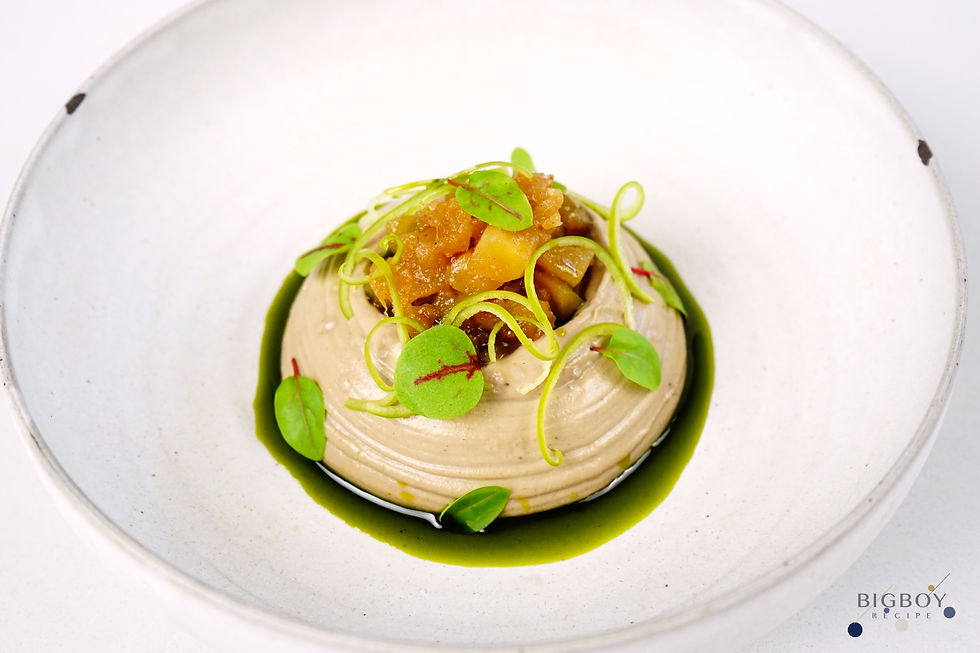
Compared to regular liver pâté, duck liver parfait has a lighter and more delicate texture. Traditional pâté is firmer, with a more pronounced meaty fiber and robust flavor. In contrast, Parfait achieves a mousse-like silkiness through a higher proportion of cream and butter, delivering a refined aroma and lingering aftertaste. Once prepared, the duck liver parfait is chilled to set. It can be spread directly onto French baguette, crisps, or rice crackers. When paired with sweet and sour fruit chutney or pickles, it beautifully balances the richness of the liver fat, making it one of the most popular appetizers in fine Western dining.

Duck Liver vs Foie Gras vs Chicken Liver
Choosing the right liver is key to making an excellent duck liver parfait. Each type has its own distinct characteristics:
Foie Gras (Goose Liver): Known as the "King of Livers," it has extremely high fat content and the most luxurious, intense flavour. However, it is very expensive and more complicated to prepare.
Duck Liver: The flavour sits between goose liver and chicken liver. It has rich fat content and a more pronounced aroma than chicken liver. The resulting parfait is creamier and more layered, yet much more affordable and approachable than foie gras — offering excellent value for money.
Chicken Liver: It has a lighter, fresher taste and is very easy to eat. It is the most budget-friendly option and ideal for beginners. While the finished product is still delicious, it has slightly less aroma and richness compared to duck liver.
Overall, if you want to balance flavour and cost, duck liver is the best choice for making Parfait. For first-time makers who cannot find duck liver, fresh chicken liver can be used as a substitute with almost the same method.

The Secret to Silky Smooth and Rich Texture
To achieve restaurant-quality silky duck liver parfait, the following key points are essential:
Duck Liver Preparation: Thoroughly remove all blood vessels and membranes, then rinse and pat completely dry. Sear over medium heat until the surface is golden brown while keeping a slight pink center inside. Avoid overcooking, as it will make the texture tough.
Caramelized Shallots: Slowly fry shallots in butter until beautifully caramelized. This creates a sweet aromatic base for the parfait. Finish with cognac and port wine to enhance the flavour and deglaze the pan.
Emulsification Technique: Blend the seared duck liver, caramelized shallots, warm cream, and melted butter into a fine paste. Strain the mixture to remove any remaining particles, achieving the ultimate silky smooth texture.
Flavour Balancing: Pairing with homemade sweet and sour Apple Chutney effectively cuts through the richness of the duck liver, making the overall taste fresher and more complex.
Chilling and Setting: After preparation, cover the surface with cling film and refrigerate. It can be kept for several days. Take it out 30 minutes before serving to let it soften slightly at room temperature for the best flavor and texture.

Duck liver parfait is more than just an appetizer — it is a delicate indulgence for the taste buds. Using relatively accessible ingredients, it captures the essence of fine French cuisine. As long as you master the techniques of liver preparation and emulsification, anyone can create a stunning dish at home.
Watch the video below now! Scroll down for more detailed text recipes and instructions.
Ingredients
Steps
Duck Liver Parfait
1.
Before preparing the parfait, clean the duck liver thoroughly by removing any sinew and blood vessels. Cut into large pieces and pat dry with paper towels.
2.
Slice the shallots into thin strips.
3.
Heat a frying pan over medium heat and add a small amount of oil. Sear the duck liver until nicely browned on the outside while still slightly pink in the centre, then remove from the pan.
4.
In the same pan, add a small amount of butter and cook the shallots until caramelised. Pour in the port wine and cognac, then reduce until almost dry. Set aside.
5.
Heat the cream to just boil, then remove from heat.
6.
Place the shallots, foie gras, cream, salt, and black pepper into a blender and blend on high speed until completely smooth. While blending, gradually add the melted butter mixture until the mousse becomes silky and rich.
7.
Pass the foie gras mousse through a fine sieve once, then transfer it to a container. Cover the surface directly with plastic wrap and refrigerate for 30-60 minutes.
Apple Chutney
8.
Dice the apple into small cubes and finely chop the onion.
9.
Heat a frying pan over medium heat and add the butter. Cook the onion until translucent, then add the sugar and cook until lightly caramelised. Add the apple cider vinegar, diced apple and cinnamon powder. Simmer slowly until the liquid reduces and the apples become soft while still retaining some texture.
10.
Season with a pinch of salt and leave to cool.
Assembly
11.
To plate, pipe the duck liver parfait onto the plate and top with the apple chutney and a sprinkle of sea salt. Place the crispy rice chips or baguette slices on the side, drizzle with herb oil and garnish with fresh herbs before serving.


Comments