Making Restaurant Level Beef Tartare at Home
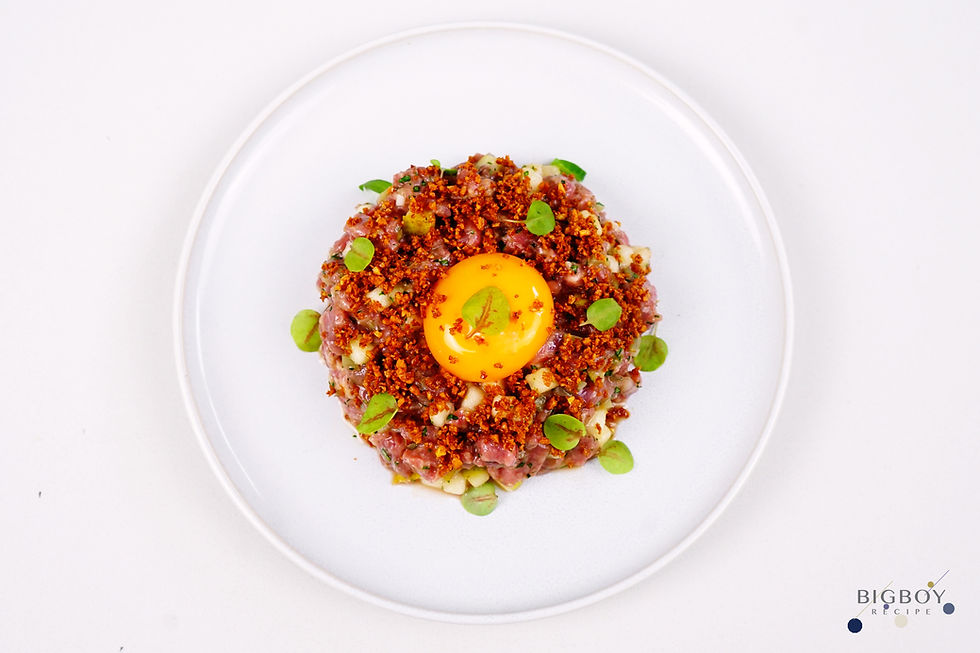
Raw beef dishes often give the impression of high-end restaurant fare, yet with the right selection of ingredients and proper handling techniques, they can be easily recreated at home. French Beef Tartare is one of the most classic examples — finely diced tenderloin paired with a refreshing sauce and egg yolk, delivering a pure yet layered flavour.

Why is tenderloin the best choice for Beef Tartare?
Tenderloin is low in fat and fine-textured, which best highlights the natural flavour of the beef itself. Traditional French Beef Tartare emphasises preserving the original taste while enhancing texture and aroma through moderate seasoning. Choosing the Medallion or a more intact section of the whole tenderloin helps maintain an attractive cut surface and ensures a crisp bite without becoming overly soft.

Ingredient selection and hygiene are the keys to success
Food safety must come first when eating raw. It is recommended to purchase from a reputable specialist beef shop and specifically ask whether the beef is suitable for raw consumption. Prefer a whole, intact vacuum-packed tenderloin, as this reduces the chances of handling and contact. Thoroughly clean your hands, knife and chopping board before preparation; wearing disposable gloves is even better. Once opened, complete the cutting and seasoning as quickly as possible.

Ingredient preparation and details
It is advisable to partially freeze the tenderloin first, as this makes cutting easier to control. Dice into approximately 3–4 mm cubes to retain sufficient texture. Accompanying ingredients include gherkins, pear (or apple or just-ripe peach), parsley or chives, all finely diced. Fry the garlic slowly over low heat until golden, then sieve and set aside; the garlic oil can be added to the sauce for extra aroma.
The sauce is prepared with Dijon mustard, Worcestershire sauce, Tabasco, lemon juice, honey, a little salt and the garlic oil, mixed until emulsified. First combine the diced ingredients with the beef, then gradually incorporate the sauce to prevent the mixture from becoming too wet. Most importantly, only mix in the sauce just before plating, as the acidity will quickly cause the beef to change colour and turn tough, affecting the final texture.

Traditional recipes can be adjusted according to personal preference — for example by adding mirin, soy sauce or Korean chilli paste for a modern twist. As long as the ingredients are fresh, hygiene is observed and the seasoning is well-balanced, you can easily recreate the classic French restaurant-style Beef Tartare at home.
Watch my recipe demonstration below!
Ingredients
Steps
1.
Finely chop the garlic, add to the olive oil and fry over medium-low heat until golden and crispy. Remove and drain; reserve the garlic oil.
2.
Finely chop the shallot, gherkin and spring onion / parsley; dice the pear.
3.
Trim any surface silver skin from the beef tenderloin. Cut the beef into small 3–4 mm dice.
4.
Add the shallot, gherkin, spring onion / parsley and pear to the beef.
5.
Mix together the Dijon mustard, Worcestershire sauce, Tabasco, lemon juice, honey, garlic oil and sea salt. Drizzle an appropriate amount over the raw beef and mix well.
6.
Mound the beef tartare on a plate, place the egg yolk in the centre, then sprinkle with the fried garlic. Serve with thin, crisp slices of baguette for maximum flavour.


Comments